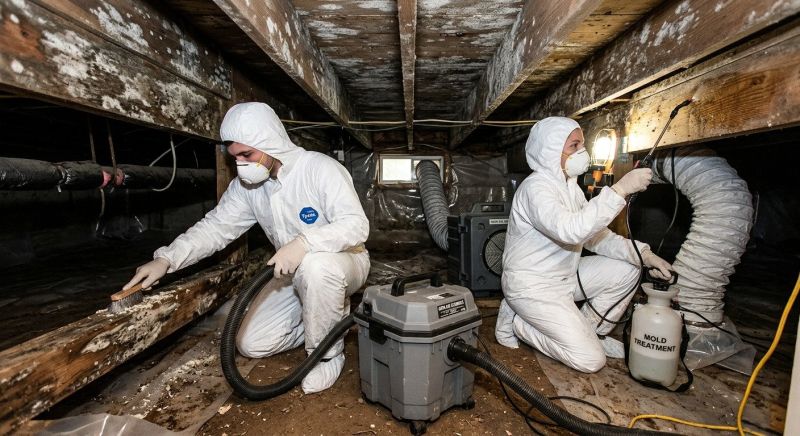
White Mold Mitigation in Fort Worth, TX
White mold mitigation services focus on identifying and removing mold growth that appears as a white, powdery or fuzzy substance on indoor surfaces. This service typically covers affected areas such as walls, ceilings, basements, attics, and HVAC systems. Property owners often request this service when noticing mold patches, musty odors, or moisture issues that could lead to health concerns or structural damage if left unaddressed. Understanding the extent of mold growth and the underlying moisture source is essential before proceeding with mitigation, as it ensures effective removal and helps prevent future recurrence.
Before requesting white mold mitigation, property owners usually want to know about the scope of the cleanup process, including whether affected materials need to be removed or treated on-site. It’s also helpful to understand the importance of addressing moisture problems that contribute to mold growth, such as leaks or poor ventilation. Proper mitigation involves not only removing visible mold but also taking steps to eliminate hidden colonies and moisture sources, creating a healthier indoor environment and reducing the risk of mold returning.
Many property owners in Fort Worth, TX look into White Mold Mitigation for repairs, replacements, upgrades, and appearance-related improvements.
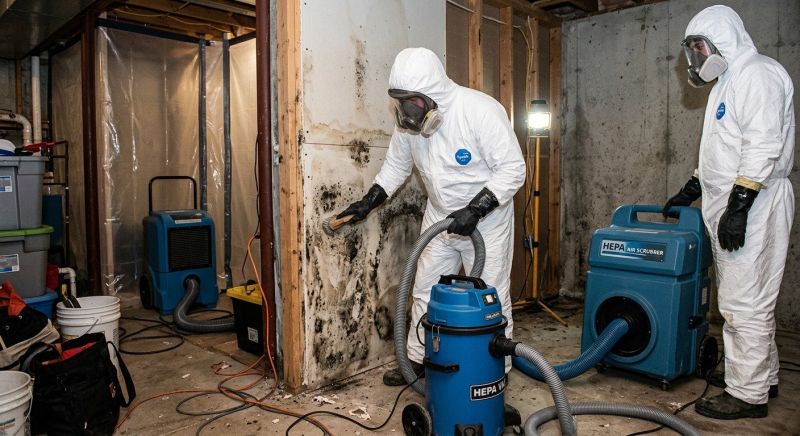
Understanding White Mold
White mold often develops in areas with high humidity and poor ventilation in fort worth homes.
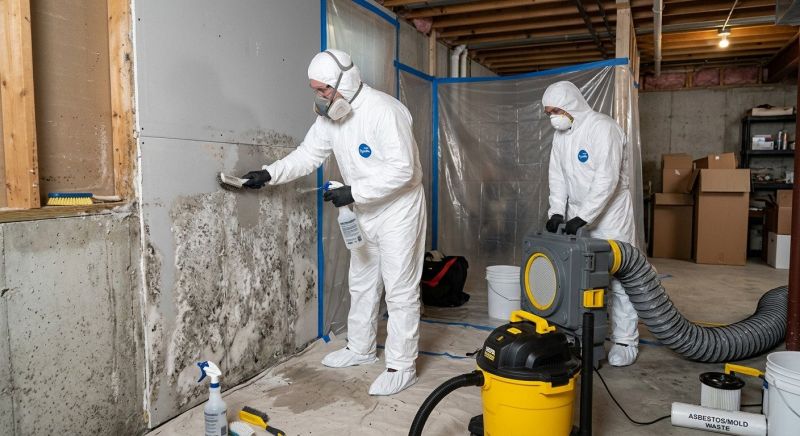
Signs Of Mold Growth
Visible mold patches, musty odors, and discoloration on walls or ceilings may indicate white mold presence.
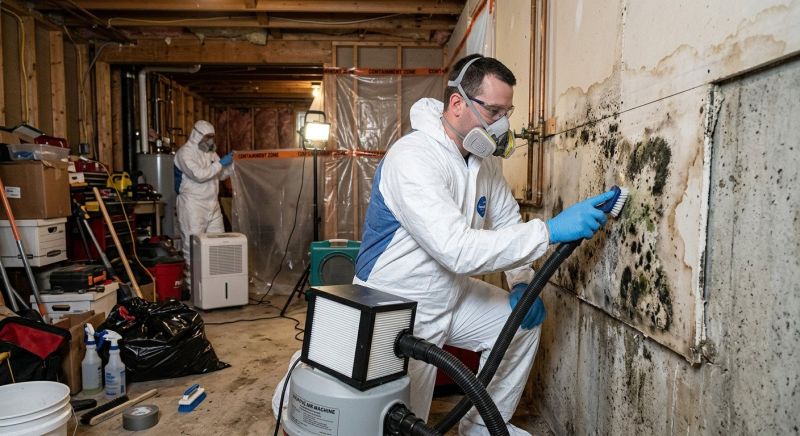
Preventing Mold Recurrence
Controlling moisture levels and fixing leaks are essential steps to prevent future white mold issues in properties around fort worth.
White Mold Mitigation in Fort Worth, TX
White mold mitigation services focus on identifying and removing mold growth that appears as a white, powdery or fuzzy substance on indoor surfaces. This service typically covers affected areas such as walls, ceilings, basements, attics, and HVAC systems. Property owners often request this service when noticing mold patches, musty odors, or moisture issues that could lead to health concerns or structural damage if left unaddressed. Understanding the extent of mold growth and the underlying moisture source is essential before proceeding with mitigation, as it ensures effective removal and helps prevent future recurrence.
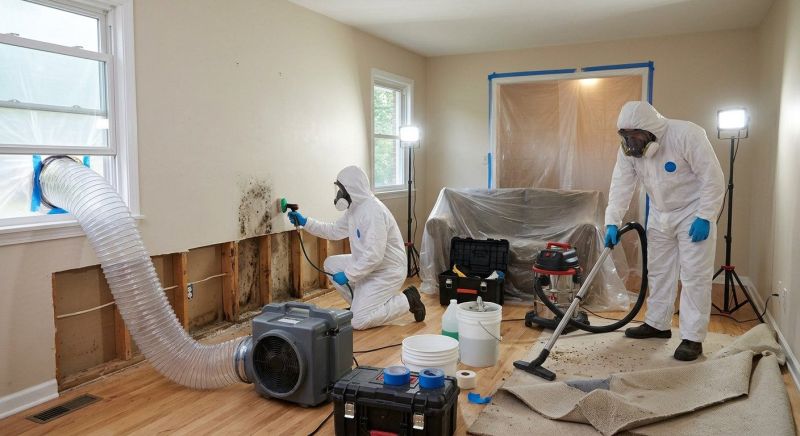
Before requesting white mold mitigation, property owners usually want to know about the scope of the cleanup process, including whether affected materials need to be removed or treated on-site. It’s also helpful to understand the importance of addressing moisture problems that contribute to mold growth, such as leaks or poor ventilation. Proper mitigation involves not only removing visible mold but also taking steps to eliminate hidden colonies and moisture sources, creating a healthier indoor environment and reducing the risk of mold returning.
Many property owners in Fort Worth, TX look into White Mold Mitigation for repairs, replacements, upgrades, and appearance-related improvements.
Common White Mold Mitigation Jobs
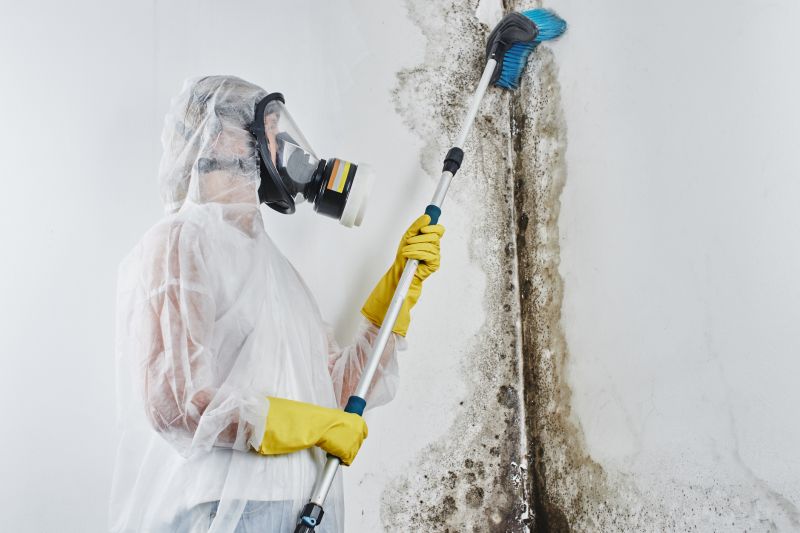
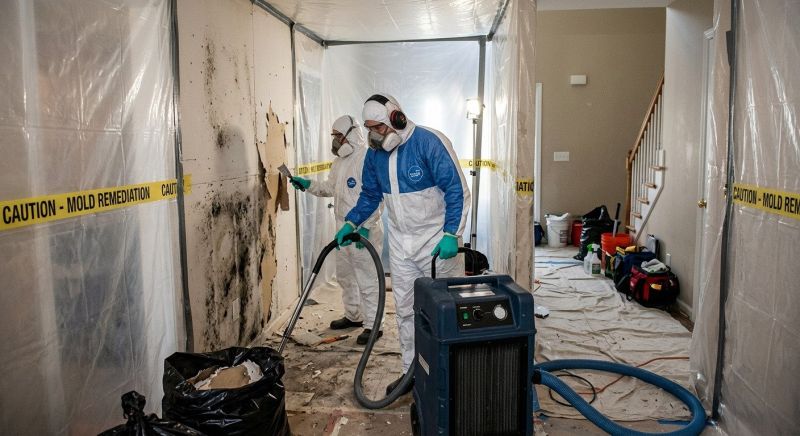
White Mold Removal - specialized techniques are used to eliminate visible mold growth from indoor surfaces.
Mold Inspection - thorough assessments identify the extent and sources of mold contamination.
Moisture Control - measures are implemented to reduce humidity and prevent future mold development.
Surface Cleaning - affected areas are cleaned and treated to remove mold spores and prevent recurrence.
Structural Drying - moisture-damaged building materials are dried to inhibit mold growth.
Preventive Treatments - protective solutions are applied to inhibit mold growth on susceptible surfaces.
White Mold Mitigation Questions
What causes white mold growth indoors? White mold typically develops in areas with excess moisture, such as leaks, high humidity, or poor ventilation.
How can property owners identify white mold? White mold appears as a powdery or fuzzy white substance on surfaces, often in damp or humid spots.
What surfaces are affected by white mold? White mold can grow on drywall, wood, insulation, and other porous or moist materials inside buildings.
Why is timely mitigation important? Removing white mold promptly helps prevent structural damage and reduces health risks associated with mold spores.
Request White Mold Mitigation in Fort Worth, TX
Use the quote form on this page to share the basics of your project and request more information for the type of work you need.